
Practice Areas
Estate Planning

Practice Areas

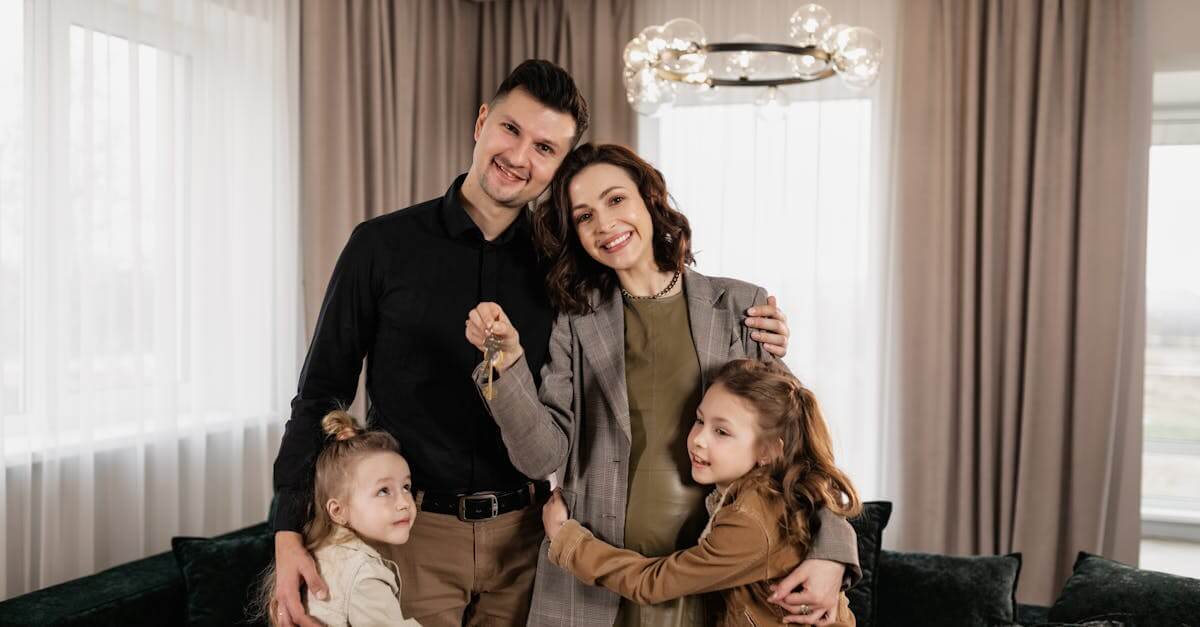
For most families in Woodland Hills, the house is everything. It's where kids grew up, where decades of memories live, and—more often than not—the single largest asset in the estate. So when an estate planning attorney asks, "Have you thought about putting your home in a trust?" it's a question worth taking seriously.
The short answer is: for most California homeowners, yes, it's usually a very good idea. But the longer answer depends on your situation, your goals, and what kind of trust you're talking about. Here's what you actually need to know.
When people ask this question, they're almost always talking about a revocable living trust—a legal arrangement where you transfer ownership of your property into a trust that you control during your lifetime. You're both the person who created it (the grantor) and the person who manages it (the trustee). You can change it, revoke it, or pull your home back out at any time.
The home is still yours in every practical sense. You live in it, maintain it, pay the mortgage, and pay the taxes exactly as before. The only real difference is how the property is titled—instead of "Jane Smith," the deed reads something like "Jane Smith, Trustee of the Jane Smith Living Trust."
That small change on paper has very large consequences when you pass away.
California probate—the court-supervised process of validating a will and transferring assets after death—is notoriously slow and expensive. Under California Probate Code § 13100, estates with gross assets exceeding $184,500 are generally required to go through formal probate. Given that a modest home in Woodland Hills or the surrounding West Hills, Tarzana, or Calabasas area can easily exceed $700,000 or more, most local estates will hit that threshold on the house alone.
What is probate in practical terms? It typically means 12 to 24 months of court proceedings, attorney fees calculated as a percentage of the gross estate value under California Probate Code § 10810, and a public record of everything your family owns and owes. None of that is easy for grieving heirs.
A living trust lets your family bypass probate entirely. When the grantor passes, the successor trustee—the person you've named to step in—can transfer the home directly to your beneficiaries without ever setting foot in the Los Angeles Superior Court Chatsworth Courthouse on Etiwanda Avenue. No waiting, no public filings, no court-calculated attorney fees eating into the inheritance.
Seamless incapacity planning. If you become unable to manage your own affairs—due to a stroke, dementia, or another condition—your named successor trustee can step in and manage the home immediately. Without a trust, your family may need to petition for a conservatorship through the court, which is a costly and emotionally taxing process.
Privacy. A will becomes a public document once it's filed in probate court. A trust does not. For families with significant real estate holdings along the Ventura Boulevard corridor or elsewhere in the Valley, that privacy can be meaningful.
Continuity for out-of-state property. If you own a vacation cabin in Lake Arrowhead or rental property in another state in addition to your Woodland Hills home, holding both in a single trust means your family avoids probate in multiple states. Each state where real property is titled separately can require its own court proceeding—called ancillary probate—which multiplies the cost and delay.
Easier trust administration. When assets are already in the trust at the time of death, trust administration—the process of wrapping up the trust and distributing assets—moves much more cleanly. The successor trustee has clear legal authority over the property from day one.
It's worth being equally clear about what a revocable living trust won't accomplish, because there are common misconceptions.
It does not protect your home from creditors. Because you retain full control of a revocable trust, creditors can still reach those assets during your lifetime. If asset protection from creditors or nursing home costs is your goal, other planning tools—including certain irrevocable trusts—may be more appropriate. An estate planning attorney can walk you through those options based on your specific circumstances.
It does not eliminate estate taxes on its own. For very large estates, a revocable living trust by itself doesn't reduce federal estate tax exposure. Additional planning strategies exist for that purpose, but they go beyond what a basic revocable trust provides.
It does not replace a will. Even with a trust, you still need a "pour-over will"—a will that catches any assets that weren't transferred into the trust during your lifetime and directs them there at death. A trust and a will work together, not in place of each other.
This is one of the most common questions from California homeowners, and it matters. Proposition 19, which took effect in February 2021, significantly changed the rules around property tax reassessment when real estate transfers between parents and children.
Under the current rules, a child who inherits a parent's home and uses it as their primary residence can exclude up to $1 million of increased assessed value from reassessment. But if the child doesn't move in—or if the property is a rental or vacation home—the property will be reassessed at current market value when ownership transfers. This can mean a dramatically higher property tax bill.
Importantly, placing your home in a revocable living trust does not trigger reassessment under California property tax rules, as long as you are the trustee and beneficiary. The transfer into the trust is treated as a change in the method of holding title, not a change in beneficial ownership. You should confirm the specifics with an attorney and your county assessor, but for most straightforward situations, the trust itself is tax-neutral.
For the majority of Woodland Hills homeowners who want their family to inherit the property quickly, privately, and without a drawn-out court process, placing the home in a revocable living trust is one of the most practical and effective tools available. The upfront cost of setting up the trust is almost always far less than what probate would cost—and far less disruptive to the people you leave behind.
That said, "most people" isn't "everyone." If your estate is very simple, if your home value is well below California's probate threshold, or if you have complex tax or creditor concerns, a different approach might serve you better. The right answer comes from sitting down with an attorney who can look at the full picture of what you own, who you want to inherit it, and what obstacles stand in the way.
Getting your home into the right legal structure is one of the most meaningful things you can do for the people who matter most to you—and in a community like Woodland Hills, where property values are high and family ties run deep, that planning tends to pay off in exactly the moments when families need it most.