
Practice Areas
Estate Planning

Practice Areas

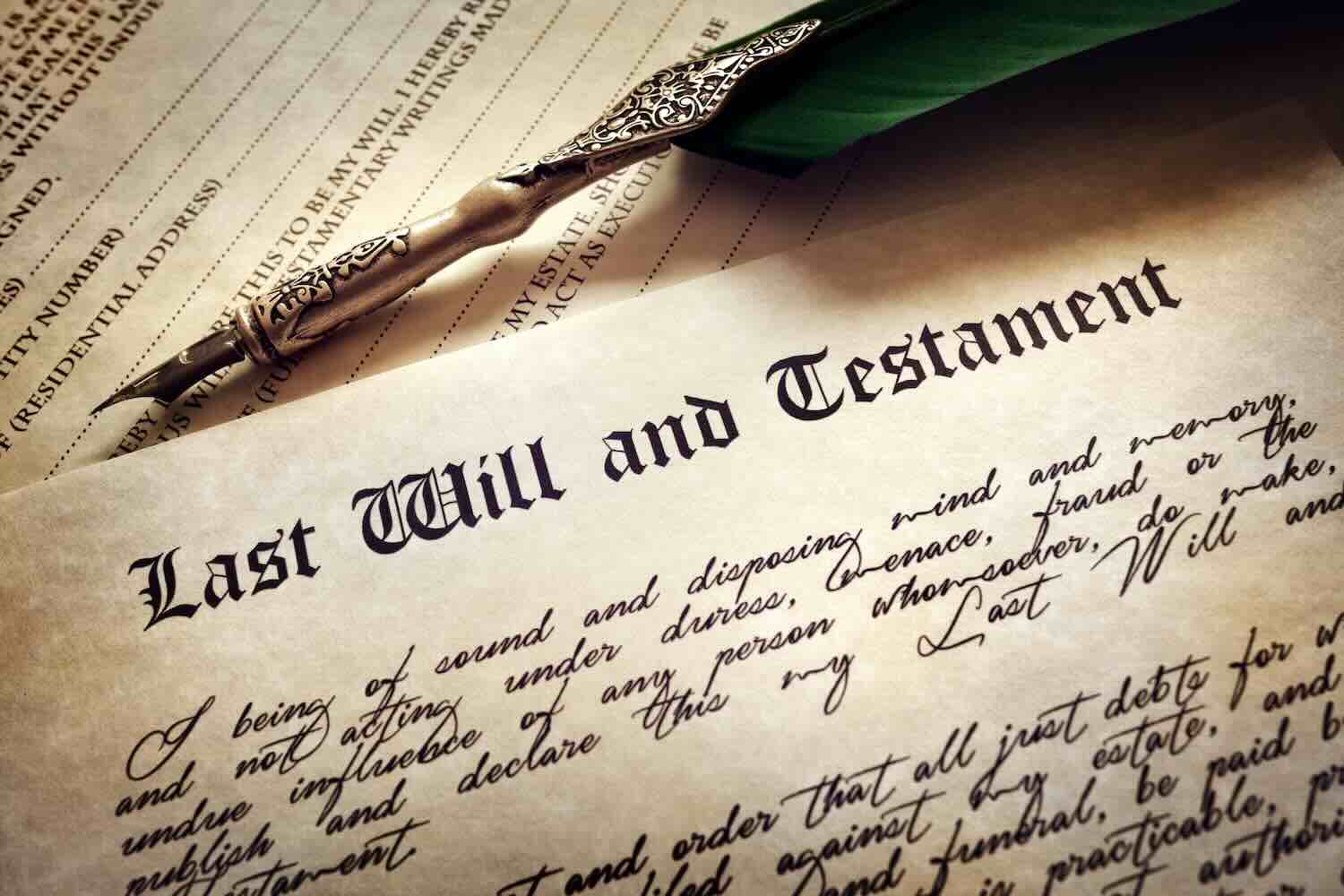
When people think about wills, they often imagine lots of legal talk and confusing estate planning rules. But the basis of a will is much simpler: a will is just a document that tells the world how you want your property and personal things handled after you die. It sounds straightforward (and for the most part, it is), but for your wishes to actually count in the law’s eyes, your will has to be legally valid.
To be legally valid in most states, including here in California, and under general estate law principles, a will must meet three fundamental requirements:
If any of these pieces are missing, a court has the right to refuse to recognize the will, which means your property could be distributed according to state law instead of your personal wishes.
The very first requirement for a valid will is that the person creating it, the testator, must be legally capable at the time the will is signed. This means two connected things:
First, the testator must have testamentary capacity, which sounds fancy but just means they understand what they own, who their loved ones are, and what their will is trying to accomplish. The person needs to know that they are making a will, understand the general nature and extent of their property, and recognize the natural people they might leave that property to (like family members).
For example, someone with advanced dementia or a severe cognitive impairment may not have testamentary capacity. A will signed under those conditions could be challenged and thrown out by a court.
Second, the testator must act freely and voluntarily. If someone was pressured, tricked, threatened, or forced into signing a will (even if they appear capable), the court can declare the will invalid because it wasn’t truly their choice.
This first requirement is all about ensuring that the will truly reflects the genuine wishes of the person who signed it.
The second basic requirement is that a will must be in writing and signed by the person making it. Spoken wishes, recorded memos, or informal notes won’t work in most cases—the law wants a clear, tangible document you can point to after someone dies.
The signature doesn’t have to be a perfect copy; even a mark or “X” intended to authenticate the document can count if it’s clear that’s what the person meant.
Important note: In many states, including California, the testator must sign the will in the presence of witnesses, which leads us into the third requirement.
The third basic requirement is about witnesses. Most states require that the will be signed in front of at least two witnesses who are adults and well enough to testify later if needed.
These witnesses serve a true purpose. Their role is to confirm two key facts: (1) the testator truly signed the will, and (2) the testator appeared to have the ability to understand what they were doing.
In California, a will is still valid even if a witness is also a beneficiary, but unfortunately, there is usually a presumption that the gift to that witness was the result of manipulation.
This means the beneficiary-witness may have to prove they did not pressure the person making the will in order to receive their inheritance. To avoid this issue altogether, proper wills typically use disinterested witnesses—people who do not stand to inherit—so the will is less likely to be challenged and easier to carry out.
While DIY or online wills can seem easier (and yes, cheaper), they sometimes miss important details that could save the validity of your will later. An attorney is essential to help make sure your wishes are clearly expressed, compliant with the law, and easier for your loved ones to carry out.
Here’s how the process usually works:
Picture this: Grace is a retired teacher in Los Angeles. She owns a home, some investments, and a few special items she wants to leave to her children and grandchildren. Before making her will, Grace hires an attorney to make sure she understands the scope of her assets, talks openly with her family about her wishes, and chooses trusted friends to serve as witnesses. On the day she signs her will, she is alert and confident, and two friends watch her sign the document. Because her will was written, signed, and witnessed properly, it’s likely to stand up in probate court and be carried out exactly as she intended.
Now imagine a version of this story where Grace writes her wishes on a piece of paper at home, but it has never been witnessed. She tells her children she has a will for them, puts it in a drawer, and forgets about it. When she passes away, that document will not meet the legal standards for a valid will, and her estate could instead be divided according to California’s default rules. That can lead to familial conflict and outcomes Grace never would’ve wanted.
Creating a will is one of the simplest, cheapest, and effective tools within estate planning. By keeping the 3 requirements in mind, it’s safe to say you can easily create a legally enforceable will that will hold up for your loved ones. We hope this article was of use to you. If you have further questions, feel free to reach out to us today.