
Practice Areas
Estate Planning

Practice Areas
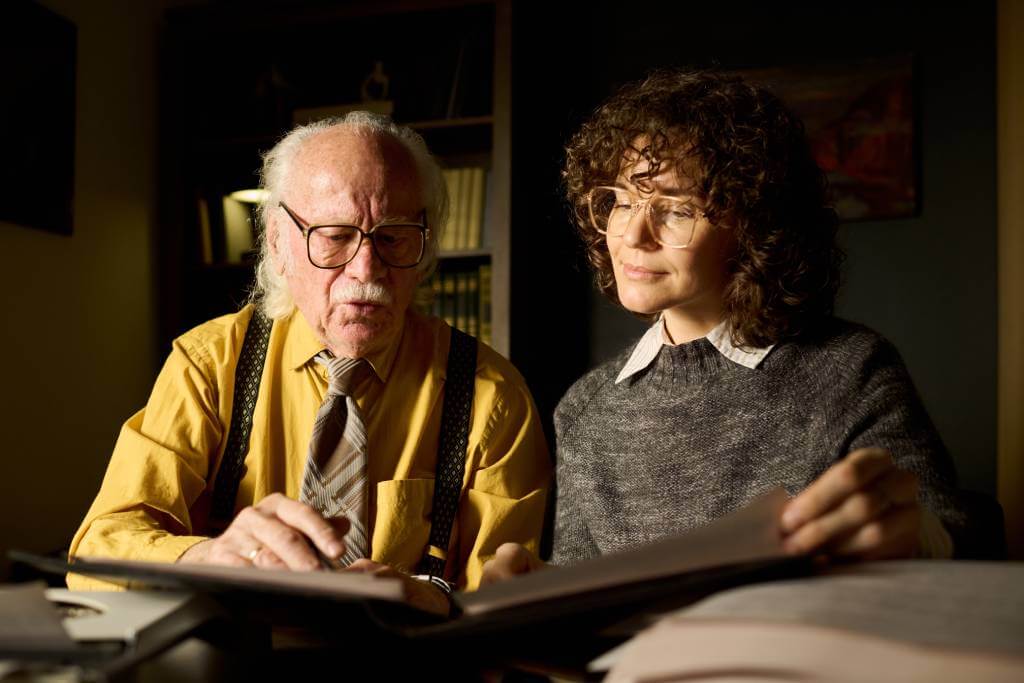
Northridge families caring for an aging parent, or settling a parent’s estate, can work with Alice A. Salvo, a Certified Specialist in Estate Planning, Trust and Probate Law with an office in nearby Woodland Hills. She handles the legal side of caregiving, from Medi-Cal applications to probate. Call 818-676-9572.
Nursing home costs are where many Northridge families first meet an elder law attorney. California changed the rules this year. Since January 1, 2026, Medi-Cal again counts assets: the limit is $130,000 for one person plus $65,000 for each additional household member. On July 1, 2027 it drops to $21,000 for one person (Department of Health Care Services). A family that plans before that date has more room to work.
The firm’s pages on Medi-Cal planning, Medi-Cal eligibility, and Medi-Cal asset protection explain the options. Two related guides cover protecting assets from Medi-Cal and protecting assets from nursing home costs, and the Medi-Cal FAQs answer common questions.
Adult children often discover they can’t speak to a parent’s bank or doctor. The fix is two documents signed while the parent still has capacity: a durable power of attorney for finances (Probate Code section 4401) and an advance healthcare directive for medical decisions. If a parent can no longer sign, the family has to ask the court for a conservatorship (California Courts), which takes longer and stays under court supervision.
The same planning protects the next generation. A parent raising a grandchild may need a guardianship, and a family member with a disability may need a special needs trust so an inheritance doesn’t cut off benefits. See estate planning for children with disabilities for how those plans work.
When a parent dies, what happens next depends on how their property was held. Assets in a trust pass through trust administration without court. Everything else may need probate in the Los Angeles County Superior Court; our pages on what probate is and the probate process describe each step.
Smaller estates often qualify for a faster route. For deaths on or after April 1, 2025, personal property worth $208,850 or less can be collected with an affidavit, and a primary residence worth up to $750,000 can transfer through a simplified court petition (Judicial Council form DE-300). If your parent left no will, when a loved one dies without a will and California inheritance law explain who inherits.
Caring for a parent often prompts people to get their own plan in order. Start with estate planning, then compare a will with a living trust. The trusts overview and setting up a trust cover the details, and writing a will lists the decisions to make first. Unmarried couples should read estate planning for domestic partners, and asset protection covers ways to shield an inheritance.
Alice Salvo holds an LL.M. in Estate Planning from the University of Miami School of Law and an AV rating from Martindale-Hubbell. Northridge clients meet her at the Woodland Hills office, by phone, or by video. The firm also serves Chatsworth, Reseda, North Hills, and Woodland Hills.
On July 1, 2027, the limit for one person falls from $130,000 to $21,000, according to the Department of Health Care Services.
Often yes. If your parent died after March 31, 2025 and left personal property worth $208,850 or less, heirs can usually collect it with a small estate affidavit.
Then the family usually needs a conservatorship, which means a court petition and ongoing court oversight. Signing documents early avoids that.
Whether you’re arranging a parent’s care or settling their estate, call Alice Salvo at 818-676-9572 or use the contact page.